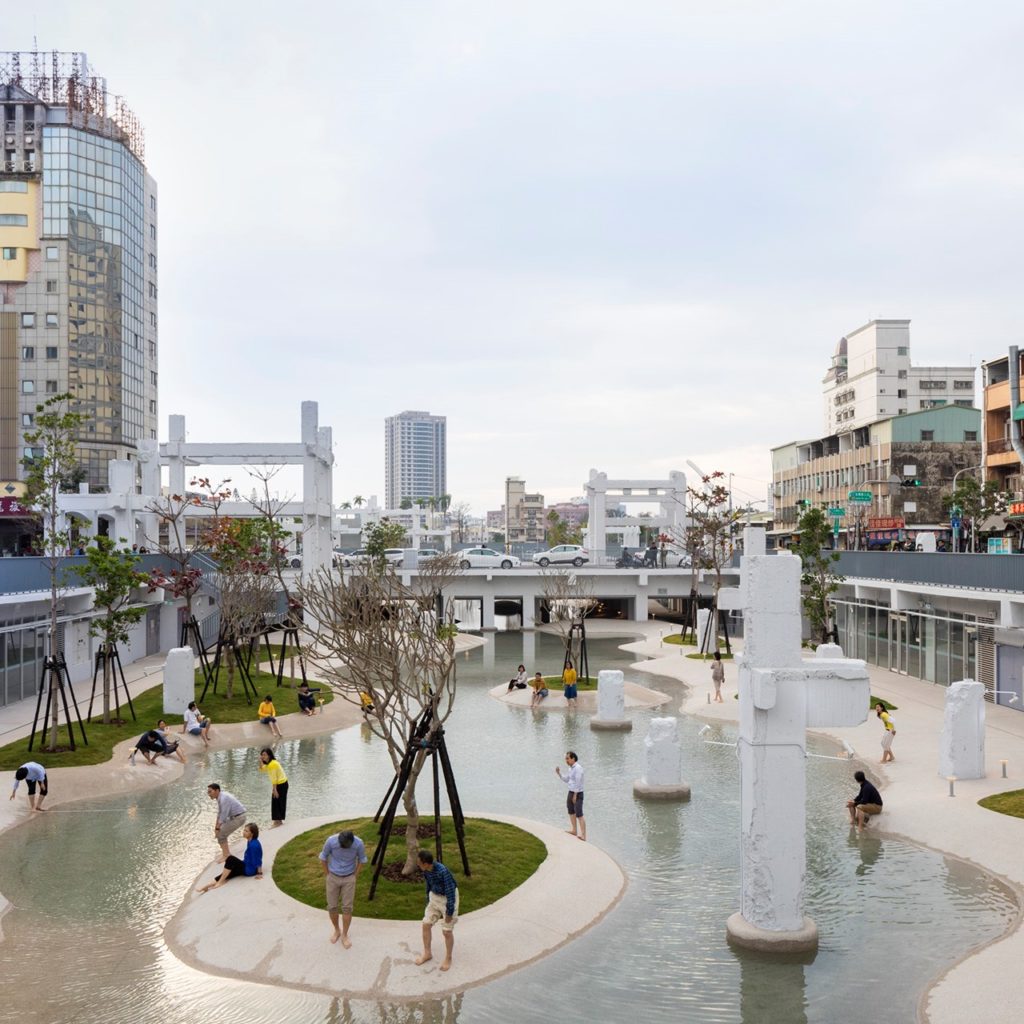
Designing public spaces is a fascinating aspect of our work, as it involves creating environments that foster community engagement, promote inclusivity, and enhance the quality of life for individuals. Our team of experienced designers understands the importance of public spaces in creating vibrant and sustainable communities. Here’s an overview of our approach to the design of public spaces:
Needs Assessment and Stakeholder Engagement: We begin by conducting a thorough needs assessment to understand the specific requirements of the project and the needs of the community. We engage with stakeholders, including local residents, community organizations, and public officials, to gather insights and incorporate diverse perspectives into the design process.
Concept Development: Based on the needs assessment, our designers develop design concepts that address the unique characteristics of the site and align with the goals of the project. We focus on creating spaces that are accessible, safe, and visually appealing, while also considering factors such as sustainability, functionality, and cultural context.
Space Planning and Layout: We carefully analyze the site and its surroundings to determine the most effective use of space. We consider factors such as pedestrian flow, seating areas, green spaces, recreational facilities, and accessibility for individuals with disabilities. Our goal is to create a well-organized layout that encourages social interaction and accommodates various activities.
Landscape Design and Green Spaces: We incorporate landscape elements, such as trees, plants, and green infrastructure, to enhance the aesthetics, environmental sustainability, and ecological balance of the public space. We strive to create a harmonious integration of nature and built elements, providing opportunities for relaxation, recreation, and connection with the natural environment.
Furniture and Amenities: We select appropriate furniture, fixtures, and amenities that enhance the functionality and comfort of the public space. This may include seating, lighting, signage, waste management solutions, public art installations, and interactive elements that engage and inspire visitors.